

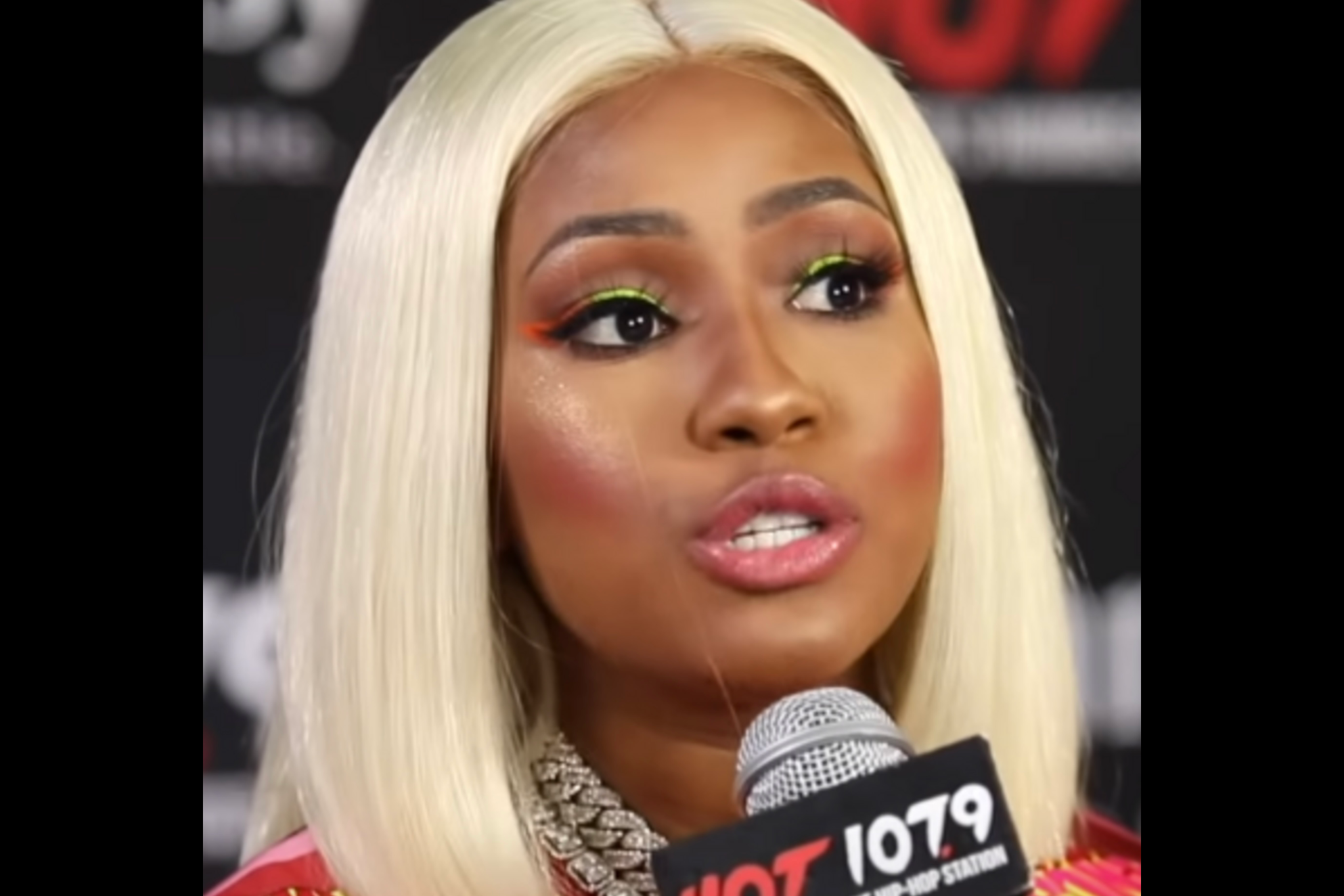
India Arie sparked a flame. The 1990s-era singer came to the internet to say she’s not a fan of Yung Miami’s hit song “Spend Dat,” and all hell broke loose. Some fans called the tune an unserious, catchy bop, while others called the lyrics harmful to the youth and the Black community overall. India Arie supports the latter, expressing her disappointment at the “mass acceptance” of the song. What started as a debate about one song has branched into a virtual melee that sheds light on several decades-old elephants in the Blackass room.
View this post on Instagram
Several themes have become apparent in the online discussions around the song, which glorifies scamming and boosting: respectability politics, classism, generational wars, misogynoir, and motherfuckas not being able to disagree without turning it into a digital bar fight.
Respectability Politics
Respectability politics focuses on alignment with the dominant culture’s social norms and values; some social media users accused people who spoke out against the song of doing just that. Several commenters pointed out that even with the Michelle Obamas, Ketanji Brown Jacksons, Kamala Harrises, and millions of other Black women holding degrees, titles, and immaculate presentation, they are still constantly disrespected in various aspects of their lives. Black women are asked to prove their worth just to be deemed worthy of wedding rings or seats at conference tables. So some people asked: who are we performing for and why?
Classism
The online debate also sparked a wave of Facebook statuses, Threads posts, and comments where folks centered themselves. Many established their classist identity by looking down on the song’s content and listeners. They threw out terms such as “low vibrational” and “decorum” to separate themselves. Some of them questioned the educational level of those who enjoyed the song. Some claim never to have heard the viral song at all.
People may wonder why someone would feel compelled to weigh in on a topic they claim to be so far removed from. Yet, for whatever reason, these individuals seemed determined to let the world know they are not one of those Black people.
Generational Wars
When ’90s R&B powerhouse Nicci Gilbert entered the chat with a more biting critique, calling the song “demonic,” the discourse took a bizarre turn. “Spend Dat” supporters flooded comment sections, calling Gilbert, 56, and Arie, 50, old, bitter and out of touch or jealous of the 32-year-old Florida rapper, as well as a barrage of other unnecessary ageist insults. Rapper Trick Daddy, 51, called the women “old hos” despite falling within the same age bracket as the ladies—whew, the delusion and double standards!
View this post on Instagram
Others noted that both Arie and Glibert came up alongside ’90s and early 2000s artists such as Adina Howard, Lil Kim and Khia, who were dropping pearl-clutching lyrics long before this debate. They argued that the singers should let the younger generation express themselves and mind their middle-aged business.
Actress Lisa Raye also chimed in on the conversation, taking a more balanced approach, in an interview with Carlos King. The 58-year-old baddie addressed a viral video of herself dancing to the hit song. In true AUNTIE fashion, Raye said she took “the kids’” advice and used the hit song for her first TikTok video. She states that she didn’t initially zoom in on the lyrics, but since she likes “ to spend that shit” herself, the song’s hook resonated with her. The Chicago native also noted that in her younger years, she was adjacent to the lifestyle that Yung Miami portrays, but now, as a grandmother, she doesn’t want to glorify it. She admitted that she felt conflicted.
View this post on Instagram
The conversation has spiraled but the real takeaway is that the AUNTIES and the nieces must learn to respect one another’s viewpoints without making it personal. The aunties have experienced a thang or two, and they are not always as out of touch as one may think. Many want the best for the next generation; however, aunties must realize that sometimes they are wrong. They should be open to change, give the youth room to make mistakes, and allow them to define life and Black womanhood for themselves.
Misogynoir (some of it internalized)
Social media users pointed out the elephant that always sits in the room when these moral debates about “harmful lyrics” arise: female rappers catch all the heat while male rappers have built entire careers on violence, misogyny, and criminal activity without facing the same scrutiny. Uncle Luke fought the Supreme Court for the right to rap about popping p*ssy, then turned around and dragged Cardi B and Meg Thee Stallion for doing just that. Snoop Dogg criticized the rappers, despite a catalog full of explicit tracks like “Ain’t No Fun,” a song about running a train on a woman—or maybe something far worse.
Yung Miami is receiving backlash for publicly supporting convicted felon Sean Combs, and some fans say this is why they don’t fuck with her. But it’s crickets (and ticket sales) for the male artists who still rally behind P.Diddy—insert Usher Raymond.
Similar to when Arie criticized Meg Thee Stallion and Janelle Monáe for twerking on stage at Essence Fest 2023, social media users pointed out that Arie never seems to have that kind of smoke for her male counterparts’ problematic lyrics or behaviors.
If we’re going to critique one song, we have to confront the larger culture, which has glorified all kinds of unscrupulous behavior in music for decades. Selective outrage aimed only at women ain’t it. This internalized misogyny is harmful to all women, from the housewives to the corporate baddies to the church girls and the sex workers.
While nobody is above critique, we can’t keep having “conversations” that are really just personal attacks, ageist digs, and the “who is better” Olympics. Every woman deserves a seat at the table with her own story, polished or not. It is inconsistent to champion empowerment and freedom for Black women while policing which women are considered “acceptable” enough to deserve that support. The Millie Jacksons and Lil’ Kims have always existed alongside the Patti LaBelles and Queen Latifahs. Every woman deserves space to speak about her experiences and have room to grow. If change is the goal, we’ve got to meet people where they are and remember Black womanhood isn’t a monolith and looking down on others ain’t helping to change shit.
Shaming Big Tigger’s Wife About Domestic Violence Is Proof Black Women Can Be Misogynists


