

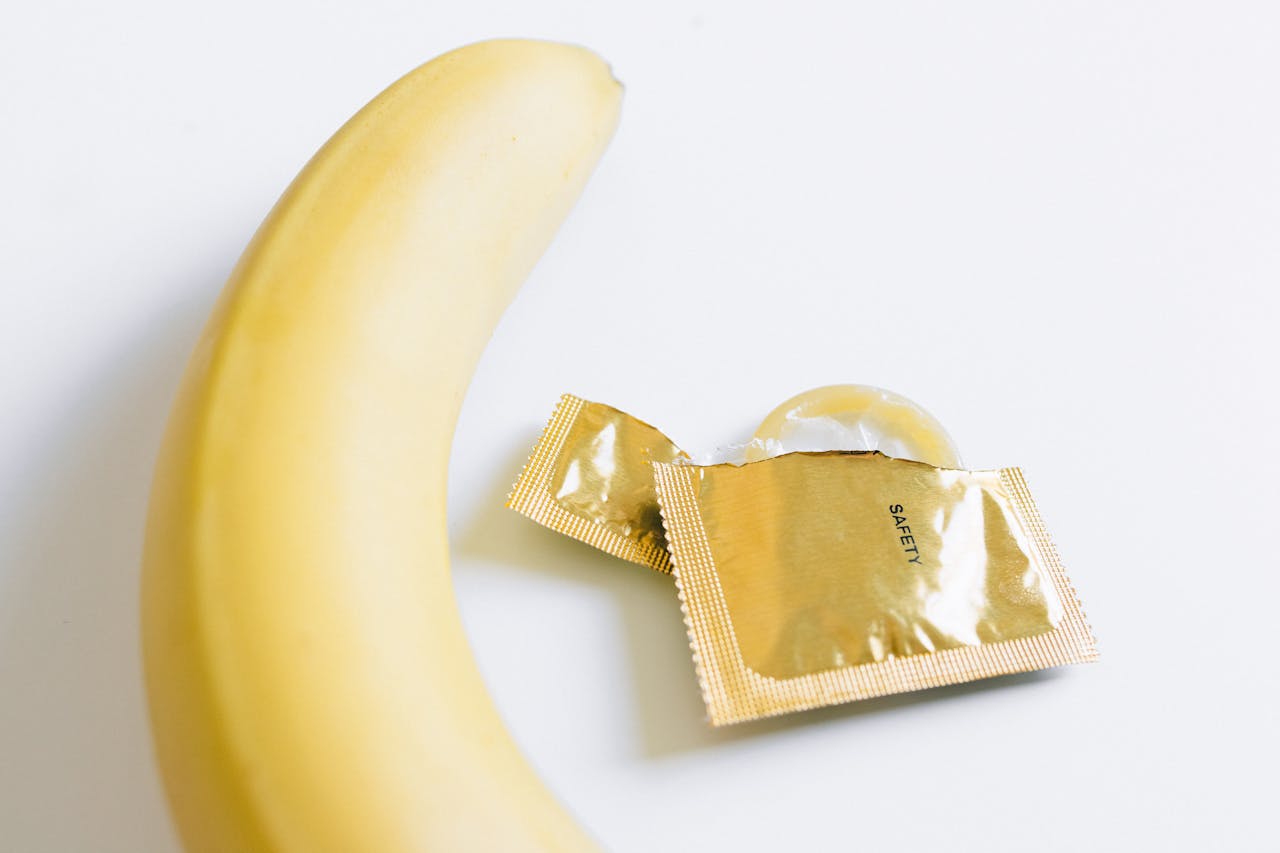
In the landscape of men’s health, Peyronie’s disease is a complex condition characterized by the development of fibrous scar tissue, known as penile plaque, within the tunica albuginea.
The sometimes-shocking development results in a physical deformity—typically a significant curvature or indentation—that can interfere with sexual function and cause substantial physical pain. While some may dismiss this as a minor concern, the clinical reality involves a progressive inflammatory process that frequently leads to chronic erectile dysfunction.
Pathophysiology and Symptoms
The onset of Peyronie’s disease is generally attributed to microtrauma. When the penis undergoes acute injury or repetitive stress during physical activity, the healing response in susceptible individuals results in the accumulation of disorganized collagen. This hardened penile plaque lacks the elasticity of healthy tissue, preventing the penis from expanding symmetrically during an erection.
Patients typically present with a triad of symptoms:
-
Palpable Plaque: Hardened nodules felt under the skin.
-
Curvature: A distinct bend (dorsal, ventral, or lateral) that becomes evident during tumescence.
-
Erectile Dysfunction: Difficulty achieving or maintaining rigidity, often worsened by the structural instability of the penis.
Can a weak pelvic floor cause Peyronie’s disease?
While a weak pelvic floor does not directly cause the formation of penile plaque, it significantly impacts the severity of the symptoms. The ischiocavernosus and bulbospongiosus muscles are responsible for the venous-occlusive mechanism that maintains an erection. When these muscles are weak, the resulting lack of rigidity increases the risk of further buckling injuries, which can trigger additional scarring.
Conversely, many patients develop a “hypertonic” or overactive pelvic floor. This is a physiological response to the chronic pain associated with the active phase of Peyronie’s disease. The constant contraction of these muscles can lead to chronic pelvic pain syndrome and further exacerbate erectile dysfunction by restricting arterial inflow.
How do doctors treat Peyronie’s disease in 2026?
Modern urological protocols in 2026 focus on a multimodal approach. Treatment is generally divided into the active (inflammatory) phase and the stable (fibrotic) phase:
-
Penile Traction Therapy (PTT): The use of external mechanical devices to stretch the penile plaque, aimed at restoring length and reducing curvature.
-
Intralesional Injections: Pharmacological agents, such as collagenase clostridium histolyticum, are injected directly into the penile plaque to enzymatically break down the fibrous tissue.
-
Pelvic Floor Physical Therapy (PFPT): Referral to a specialist to strengthen or relax the pelvic musculature. This helps stabilize the base of the penis and improves the hemodynamic markers associated with erectile dysfunction (Pelvic Gym, 2026).
-
Surgical Correction: For stable cases in which the deformity prevents intercourse, surgical procedures such as plication or grafting are used to straighten the anatomy.
The Psychological Impact
The deformity and functional loss associated with Peyronie’s disease carry a high psychological burden. Data from 2026 indicates that over 57% of men with this condition meet the criteria for clinical depression. Let’s keep it a buck — when your anatomy changes against your will, the mental health hit is just as heavy as the physical one.
The development of fibrous plaque causing penile curvature, pain, and erectile dysfunction affects Black men, though research suggests they are underrepresented in clinical trials (often <4% of participants) and less likely to seek treatment compared to white men. While sometimes reported as less common in Black men, evidence suggests it is likely underreported due to cultural stigma, and recent, more diverse studies indicate a higher, often overlooked, prevalence in minority populations.
Early diagnosis is vital. Patients who seek treatment during the active phase, before the penile plaque calcifies, have a higher success rate with non-surgical therapies. By combining mechanical straightening with pelvic floor rehabilitation, men can address both the structural and muscular aspects of the disease to restore sexual health.
Go see your urologist—getting ahead of the inflammation is the high-key move for long-term function.
RELATED CONTENT: 76-Year-Old Grandma Has A WTF Moment After Learning She Is ‘12 Weeks Pregnant’


