

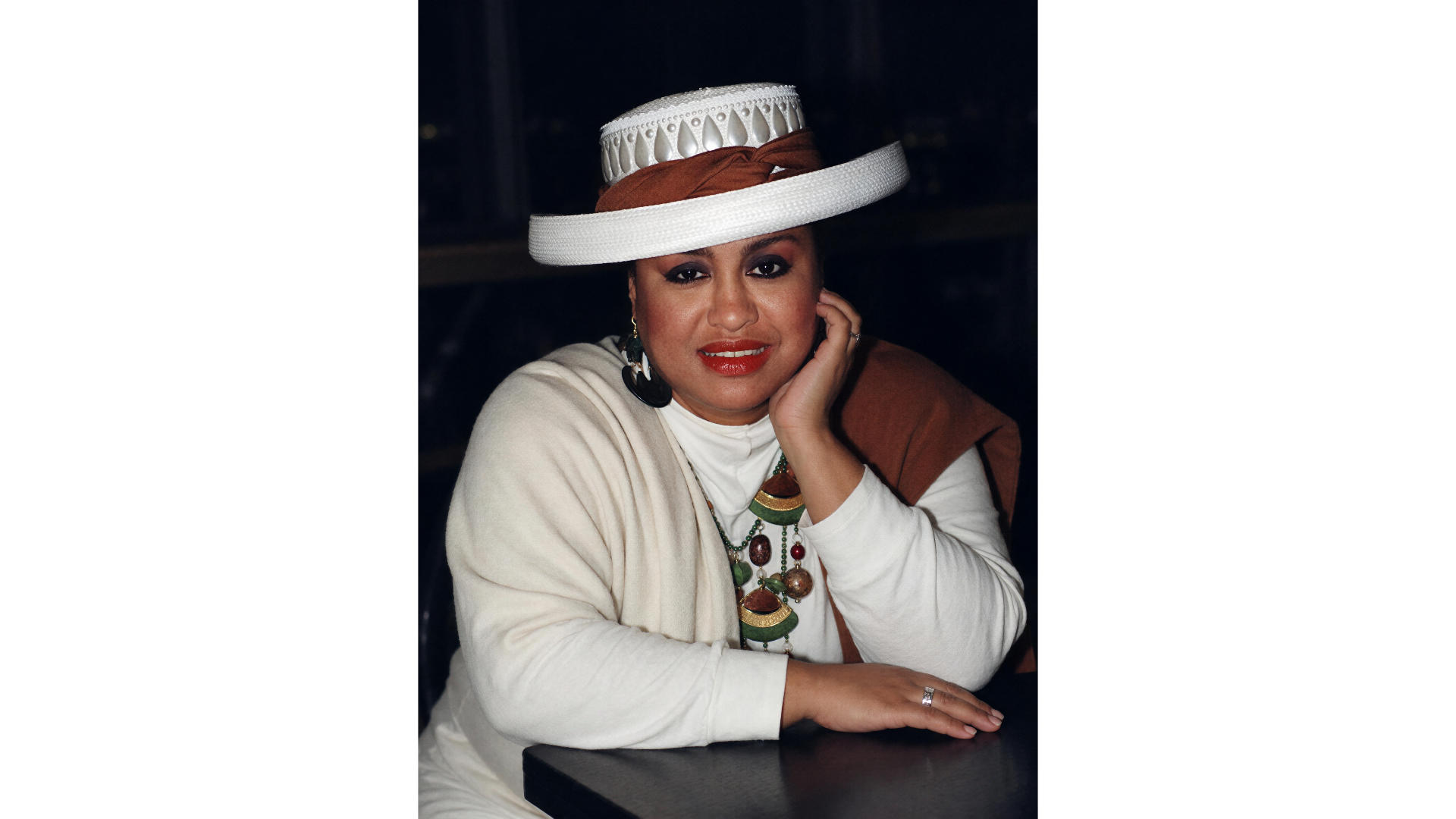
Phyllis Hyman died by suicide at 45 following an intentional overdose. On June 30, 1995, hours before a scheduled performance at Manhattan’s Apollo Theater, the world lost the statuesque powerhouse with a commanding contralto,
Known for R&B hits like “Don’t Wanna Change the World” and her Tony-nominated performance in Broadway’s Sophisticated Ladies, Hyman lived with artistic brilliance, chronic mental health struggles and relentless and mounting industry pressure.
At the time, her death sent shockwaves through the music world, illuminating a stark reality: brilliant stage presence can coexist with profound personal agony. As the nation observes Suicide Prevention Month every September, Hyman’s story remains a painful reminder of the challenges that can accompany serious mental illness, particularly when people lack consistent access to treatment, support and sustainable care.
How does unaddressed mental illness impact high-profile artists in the entertainment industry?
The tragic trajectory of Hyman’s adult life reveals how psychiatric conditions can intersect with the demands of a grueling entertainment career. Diagnosed with bipolar disorder in the 1980s, the Philadelphia-born, Pittsburgh-raised songstress struggled with depression and substance abuse while managing a demanding career in music, theater and film.
Despite her physical beauty, work associated with Fashion Fair Cosmetics, and a memorable cameo in Spike Lee’s 1988 film School Daze, her private life was marked by significant psychological distress—much of it fueled by an industry that sought to control both her voice and her body.
.
A central source of this anguish was her notoriously rocky relationship with Arista Records chief Clive Davis. After inheriting her contract in the late 1970s, Davis tried to mold Hyman into a crossover pop diva, a commercial direction she vehemently resisted in favor of her roots in traditional jazz, soul, and theater.
Though Davis recognized her regal beauty and commanding presence, Hyman’s refusal to surrender creative control led to her being systematically sidelined—and eventually overshadowed by younger pop signees like Whitney Houston. Hyman often spoke about feeling professionally suffocated and “terrorized” by Davis’s manipulative business tactics, fighting a relentless war for artistic independence.
.
Beyond corporate power struggles, Hyman endured severe industry scrutiny regarding her weight. Standing at a statuesque 6’2″, her natural frame had earned her high-fashion modeling work, yet label executives continuously forced her into rigid physical standards. Early in her Arista tenure, she was placed under strict physical training regimens to achieve a significantly slimmer appearance for album covers like 1979’s You Know How to Love Me.
As Hyman battled bipolar disorder alongside substance abuse, she frequently used food as a coping mechanism for her profound career frustration and loneliness, resulting in dramatic weight fluctuations. The resulting media backlash and reduced promotional backing confirmed her worst fears: the entertainment industry offered no margin for Black women who refused to fit a narrow physical mold.
That tension between visible success and private depletion is one PhD candidate Ana Maria Serrano-Fowlkes sees repeatedly in her work with high-achieving Black women. The Texas-based licensed professional counselor and founder of “Increase Your Bliss” describes the pattern as “unsupported success”—when a woman can have the credentials, income, reputation or accomplishments everyone sees while too much of her life still depends on her personal energy.
“Many high-achieving Black women know how to stay composed, produce results, manage emotional dynamics, anticipate problems, and make strain invisible,” Serrano-Fowlkes shared with AUNTIE. “Because they can handle it, the people and systems around them keep assigning more to them. Eventually, competence begins covering up gaps in the support structure.”
Hyman’s career offers a different-era example of why the distinction between functioning and being well matters. Her professional success never told the whole story of what she was carrying privately. Serrano-Fowlkes argues that the same principle applies today: a woman’s ability to continue performing does not necessarily mean the structure around her is sustainable.
“The woman who appears to need the least support may be the person whose determined competence has been covering the largest support gap,” Serrano-Fowlkes says. “Praise is not support.”
Beyond her own performances, Hyman’s eye for raw talent left a lasting impression on the comedy game. In the early 90s, when comedian Deon Cole was starting out in Chicago clubs, Hyman frequently sat in the audience, loudly booing and heckling him. After weeks of testing his resilience, she came to admire his tenacity.
According to Cole’s account, she eventually hired him as an opening act on her tour, giving the then-young comedian a shot at performing on a national stage.
That relationship would end upon the embattled songstress’s death weeks later.
The entertainment industry has long demanded enormous productivity and public performance from artists, even as they navigate personal struggles. Hyman’s career included moves from Buddah Records to Arista Records and later to Philadelphia International Records, bringing commercial success alongside periods of creative and professional friction.
For artists managing serious mood disorders, those pressures can compound existing challenges and make consistent treatment and support especially important.
Hyman’s career accelerated in the late 1970s following the release of her self-titled debut album and the success of her hit single “You Know How to Love Me.” By the early 1980s, she scored a massive hit with her painful and beautiful ballad “Living All Alone” and appeared in School Daze.
Posthumous album releases like I Refuse to Be Lonely (1995) and Forever with You (1998) captured her emotional depth and extended her musical legacy. Mental health advocates emphasize that serious psychiatric conditions are medical conditions that can require sustained treatment, support and professional care rather than personal willpower alone.
The escalating mental health crisis facing Black women and girls
The pressures that shaped Hyman’s experience also resonate with a broader public health concern. Research examining suicides among Black women in the United States found that rates among Black females ages 15 to 84 increased from 2.1 per 100,000 in 1999 to 3.4 per 100,000 in 2020.
The increase was particularly pronounced among Black females ages 15 to 24, whose rate rose from 1.9 to 4.9 per 100,000 during the same period.
The research does not point to a single cause. Instead, the findings revealed the necessity to examine the combination of mental health access, social conditions, discrimination and other factors that can affect suicide risk among Black women and girls. A separate study from Boston University and Howard University found elevated suicide risk among Black women ages 18 to 65 across socioeconomic groups, suggesting that income alone does not eliminate disparities in mental health outcomes.
The drivers of distress are multifaceted:
- Gendered Racism and Structural Barriers: Institutional discrimination, systemic inequality and chronic racial bias can contribute to psychological distress and create barriers to care.
- The “Strong Black Woman” Schema: Cultural expectations to project perpetual strength, absorb emotional pain and serve as an unshakeable pillar for others can make it harder for some Black women to acknowledge distress or seek help.
- Digital and Social Media Pressures: Younger Black women and girls can face cyberbullying, racial harassment and other forms of online stress that may compound existing mental health challenges.
- Systemic Healthcare Disparities: Financial barriers, distrust shaped by historical and ongoing experiences with medical institutions, and shortages of culturally responsive providers can make accessing mental health care more difficult.
Recognizing warning signs and expanding crisis intervention networks
Hyman’s death continues to highlight the importance of recognizing mental health warning signs before a crisis becomes acute.
In the decades following her death, public health frameworks have evolved to address suicide prevention through awareness, early intervention and crisis response. World Suicide Prevention Day is observed each year on Sept. 10, while September is recognized in the United States as Suicide Prevention Month.
Central to modern crisis intervention is the 988 Suicide & Crisis Lifeline, a free, confidential service offering immediate support by call or text.
The 988 Lifeline launched nationwide in July 2022 and has since expanded access to crisis support across the United States and its territories.
Modern suicide-prevention efforts emphasize community involvement—encouraging friends, families, colleagues and employers to recognize significant behavioral changes, express concern directly and help connect people with professional resources.
Preserving the legacy of a musical giant through mental health awareness
Hyman’s legacy extends far beyond her tragic death.
The gifted songstress was an uncompromising artist who refused to fit neatly into narrow corporate boxes, broke ground for Black women in fashion and theater (where her face and body were under constant scrutiny), and delivered some of the most enduring soul music of the 20th century. Her career included nine studio albums, Broadway success, film appearances and a catalog that continues to introduce new generations to her voice.
Honoring her memory during Suicide Prevention Month means refusing to romanticize her pain.
If you or someone you know is struggling or in crisis, help is available. Call or text 988 or chat at 988lifeline.org to reach the Suicide & Crisis Lifeline.
RELATED CONTENT: Atlanta Radio Host Wanda Smith Was More Than Katt Williams Fodder


